Severe Weather and Aging Infrastructure: Why Commercial Roof Upgrades Are Surging in South Bend
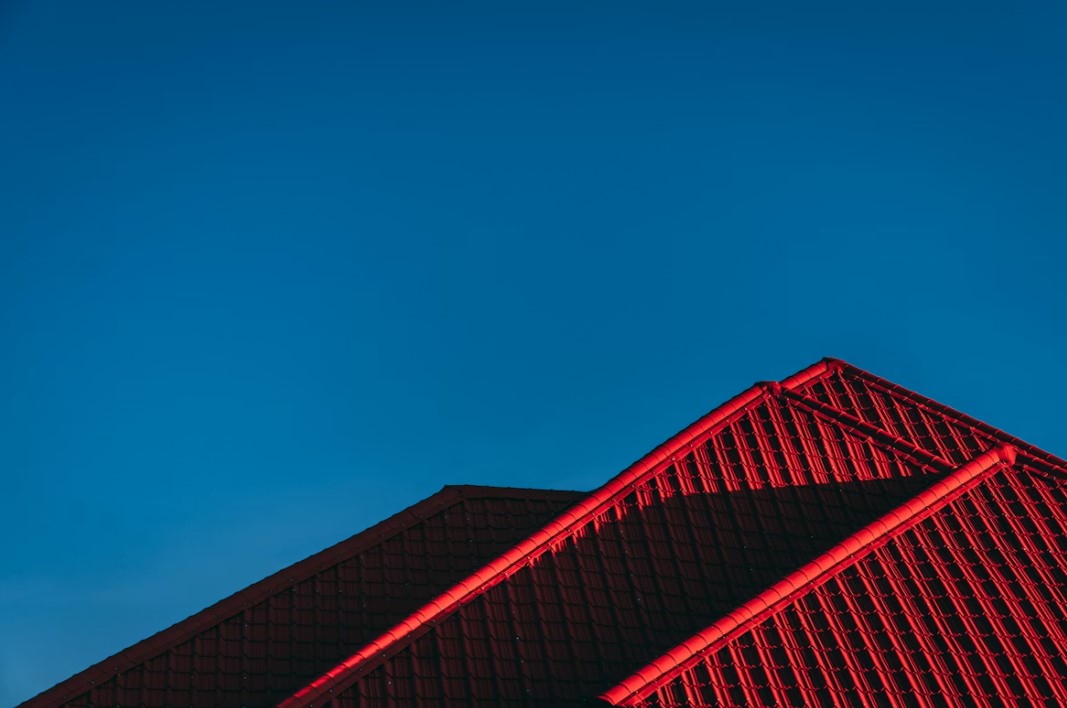
Photo by Robin Kutesa on UnSplash
Commercial buildings across South Bend are facing growing pressure from severe weather patterns, aging infrastructure, and rising maintenance costs. Heavy rainstorms, snow accumulation, freezing temperatures, and high winds are exposing weaknesses in older roofing systems that were never designed to handle today’s increasingly unpredictable climate conditions. Property owners are now realizing that delaying roof upgrades can lead to expensive structural damage, energy inefficiency, and business disruptions that affect long-term operations. As a result, many companies are turning to experienced providers such as this commercial roofing contractor, South Bend, Indiana to modernize aging roofing systems before serious failures occur.
The demand for commercial roof upgrades in South Bend is increasing across warehouses, office buildings, retail centers, schools, and industrial facilities. What was once considered routine maintenance has evolved into a strategic investment focused on resilience, energy efficiency, and long-term cost control. Modern roofing systems are now expected to withstand severe weather, improve insulation performance, reduce water intrusion risks, and support advanced drainage systems that can manage increasingly intense storms. These changing expectations are reshaping the commercial roofing industry throughout northern Indiana.
Severe Weather Is Exposing Weaknesses in Older Roof Systems
South Bend experiences a wide range of challenging weather conditions throughout the year, including heavy snow, freezing rain, thunderstorms, hail, and fluctuating temperatures. Older commercial roofs often struggle under these conditions because many were installed decades ago using materials that have deteriorated over time. Repeated freeze-thaw cycles can create cracks in roofing membranes, while standing water from heavy rainstorms accelerates structural wear and leakage risks.
Severe storms have become a growing concern for property owners throughout the Midwest. Extreme weather and infrastructure strain are also affecting coastal regions facing severe storm damage, as seen in the case of Sydney’s coastline impacts. Strong winds can loosen flashing systems, damage the case of edges, and expose insulation layers beneath aging roofing materials. Once moisture penetrates these vulnerable areas, commercial buildings become susceptible to mold growth, interior water damage, and structural deterioration that can spread quickly if left untreated.
The National Weather Service continues to emphasize the increasing impact of severe weather across Indiana and surrounding regions. (weather.gov) For commercial property owners in South Bend, proactive roof upgrades are becoming essential not only for protecting buildings but also for reducing the financial risks associated with weather-related damage claims and emergency repairs.
Aging Infrastructure Is Driving Major Renovation Projects
Many commercial buildings in South Bend were constructed during periods of rapid industrial and economic growth several decades ago. Similar concerns about aging buildings and large-scale structural upgrades are also emerging in other regions experiencing increased redevelopment activity, including this report on the surge in masonry and homebuilding upgrades in Boston. While these structures remain functional, much of their roofing infrastructure has exceeded its intended service life. Older roofing systems frequently contain outdated insulation materials, deteriorating drainage systems, and weakened support structures that struggle to meet modern performance standards.
Deferred maintenance has compounded the problem for many property owners. Minor leaks or surface damage that once seemed manageable have gradually developed into widespread roofing failures requiring full-scale replacement. In some cases, repeated patchwork repairs have created inconsistent roofing surfaces that trap water and accelerate membrane deterioration.
Building modernization projects are now becoming more common as businesses attempt to improve long-term operational efficiency. According to the U.S. Department of Energy, upgrading building envelopes and roofing systems can significantly improve energy performance and reduce heating and cooling costs. (energy.gov) For aging commercial properties in South Bend, roof replacement is increasingly viewed as part of a broader infrastructure improvement strategy rather than a simple repair project.
Energy Efficiency Is Becoming a Major Priority
Commercial roof upgrades are no longer driven solely by structural concerns. Rising utility costs are pushing many South Bend businesses to invest in roofing systems that improve insulation performance and reduce energy consumption. Older roofs often allow substantial heat loss during winter and excessive heat absorption during summer, placing additional strain on HVAC systems throughout the year.
Modern commercial roofing materials are designed with energy efficiency in mind. Reflective roof coatings, improved insulation layers, and advanced ventilation systems help regulate indoor temperatures more effectively while lowering operational expenses. These upgrades can significantly improve building comfort for employees, tenants, and customers while also reducing long-term maintenance costs.
Energy efficiency has become especially important for large industrial and warehouse facilities where climate control expenses can represent a major portion of operating budgets. Businesses are increasingly recognizing that investing in upgraded roofing systems can produce measurable savings over time while also supporting sustainability goals and environmental compliance efforts.
Advanced Drainage Systems Are Reducing Water Damage Risks
One of the most important changes in modern commercial roofing involves the growing focus on water management and drainage efficiency. Older roofs in South Bend often contain undersized drains, poor slope design, or aging gutter systems that struggle during heavy rainstorms and rapid snowmelt events.
Standing water remains one of the leading causes of commercial roof deterioration. When water accumulates on flat or low-slope roofs, it places continuous pressure on roofing membranes and increases the likelihood of leaks. Over time, ponding water can weaken structural supports, damage insulation, and contribute to interior moisture problems that affect electrical systems and building materials.
Modern roof upgrade projects frequently include redesigned drainage systems capable of handling larger water volumes more efficiently. Contractors now incorporate tapered insulation systems, reinforced drainage channels, and improved gutter designs to reduce standing water risks. These improvements help commercial properties remain more resilient during severe weather while minimizing costly water-related damage.
Insurance and Compliance Pressures Are Increasing
Insurance companies are paying closer attention to the condition of commercial roofing systems, particularly in regions vulnerable to severe weather. Aging roofs are often viewed as higher-risk liabilities because they are more susceptible to storm damage, leaks, and structural failures. As a result, some property owners are facing higher premiums or stricter inspection requirements when older roofing systems remain in place.
In addition to insurance concerns, updated building codes are also influencing commercial roof upgrades throughout South Bend. Modern roofing regulations often require improved wind resistance, enhanced insulation standards, and stronger drainage performance compared to older construction requirements. Buildings undergoing major renovations may need to comply with updated safety and energy efficiency standards before projects can receive approval.
These regulatory and financial pressures are encouraging businesses to address roofing problems proactively rather than waiting for catastrophic failures. Property owners increasingly understand that investing in compliant, weather-resistant roofing systems can help reduce long-term liabilities while improving overall property value and operational stability.
Technology Is Changing the Commercial Roofing Industry
The commercial roofing industry itself is undergoing major technological transformation. Roofing contractors now use advanced inspection tools such as thermal imaging, moisture detection systems, and drone-based roof surveys to identify hidden damage before visible problems emerge. These technologies allow property owners to make more informed decisions regarding repairs, maintenance, and replacement timelines.
Modern roofing materials have also improved significantly in durability and performance. High-performance membranes, reinforced coatings, and impact-resistant materials are helping commercial roofs withstand harsher weather conditions while extending expected service life. Some roofing systems are even designed to support solar panel installations or advanced energy management systems.
Project management technology is improving installation efficiency as well. Digital planning tools, real-time progress tracking, and predictive maintenance software are helping contractors complete projects more accurately and efficiently. For commercial property owners in South Bend, these technological advancements are making roof upgrades more strategic, data-driven, and cost-effective than in previous decades.
Conclusion
Severe weather patterns and aging infrastructure are driving a major wave of commercial roof upgrades across South Bend. Property owners are increasingly recognizing that outdated roofing systems create serious financial, operational, and safety risks when exposed to modern climate conditions and rising maintenance demands.
Today’s commercial roof upgrades involve far more than replacing damaged materials. Businesses are investing in energy-efficient systems, advanced drainage solutions, improved weather resistance, and modern building technologies designed to improve long-term resilience and operational performance. These improvements are helping commercial properties adapt to changing environmental conditions while reducing the likelihood of expensive emergency repairs.
As severe weather events continue affecting northern Indiana, demand for high-quality commercial roofing solutions will likely remain strong. Companies that invest proactively in durable, modern roofing systems will be better positioned to protect their buildings, control operating costs, and maintain long-term property value in an increasingly unpredictable environment.